The Best Bourbon for Whiskey Sours in 2026: 7 Bottles That Actually Balance Citrus
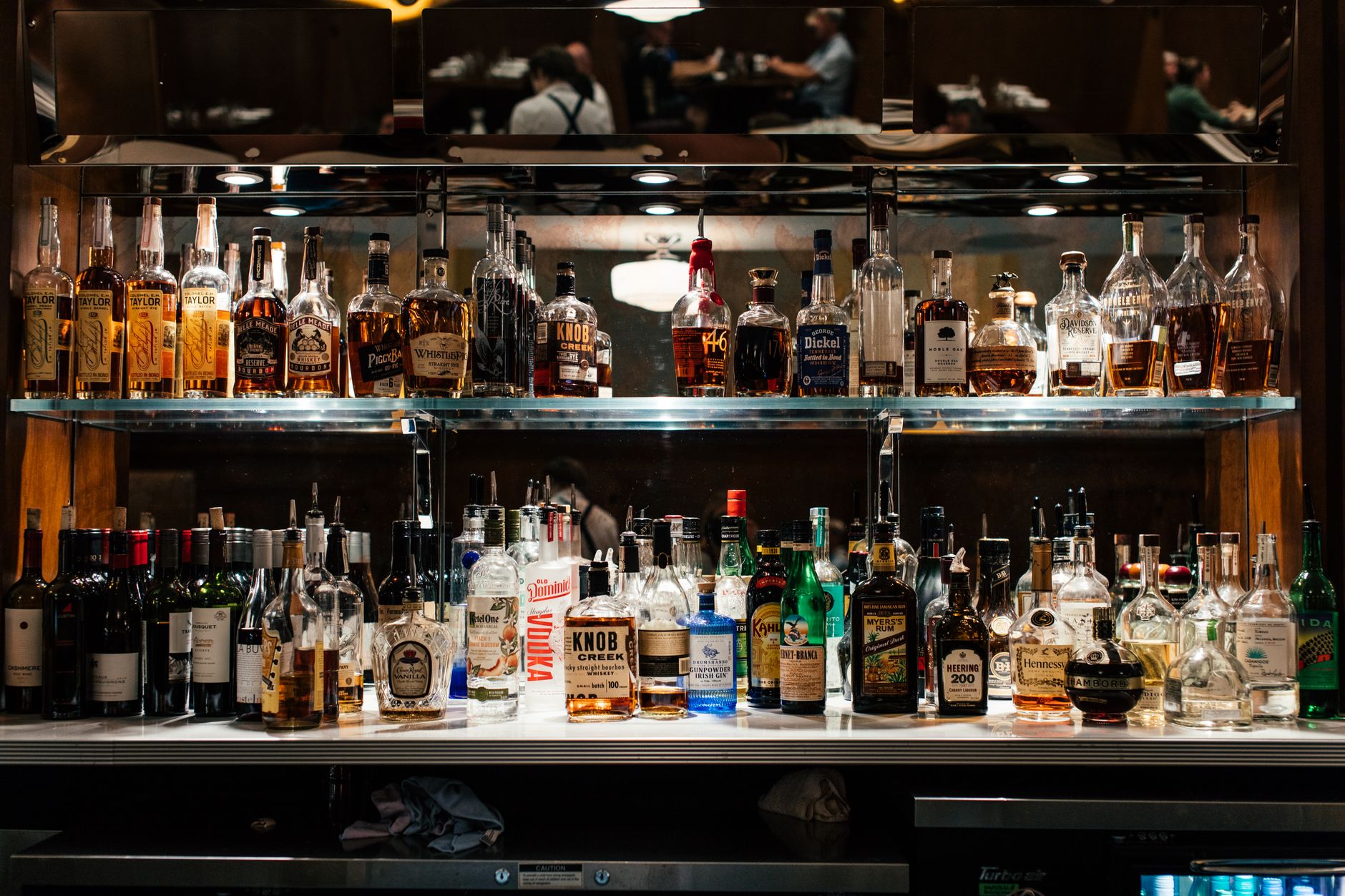
The whiskey sour is having a serious moment right now. With the “craft cocktail renaissance” hitting full stride in early 2026 and bartenders nationwide ditching artificial sour mixes for fresh-pressed citrus, the bourbon you choose matters more than ever. If you’re searching for the best bourbon for whiskey sours, you need something that can stand up to lemon juice without getting lost—or worse, turning your drink into a boozy lemonade.
We’ve spent the last three months testing fifteen different bourbons in proper sour builds (2:1:1 ratio, fresh lemon, simple syrup, egg white optional) to find which bottles actually deliver. The results surprised us: some expensive single barrels fell flat, while a few budget bottles became instant back-bar staples.
What Makes a Bourbon Great for Whiskey Sours?
Before we dive into the bottles, let’s talk chemistry. A whiskey sour is a high-acid environment—usually around 0.75 to 1 ounce of fresh lemon juice per 2 ounces of spirit. That acid strips away delicate floral notes and amplifies bitterness, which means your subtle, 12-year-aged sipper might taste like oaky water once shaken with citrus.
You need three things:
Proof between 90-100. Anything under 86 proof disappears behind the lemon. Anything over 110 proof (unless it’s exceptionally balanced) can make the drink taste hot and ethanol-forward rather than bright.
High-rye mash bills. That spicy backbone—think 20-35% rye—cuts through the sweetness of the simple syrup and complements the citrus oils. Wheated bourbons often get bulldozed by acid.
Price under $40. Unless you’re mixing for a special occasion, save the Pappy for neat pours. The sweet spot for mixing is $25-35, where you get quality without crying when you add egg white.
The Best Bourbon for Whiskey Sours: Our Top Picks
After blind-tasting our way through the lineup, these seven bottles earned permanent spots in our mixing rotation.
1. Wild Turkey 101 ($25-28)
The gold standard for a reason. At 101 proof with a high-rye mash bill, this bourbon punches through citrus like it was designed for it. The vanilla and baking spice notes hold their own against lemon, and the finish brings a pleasant peppery kick that plays beautifully with aromatic bitters. If you only buy one bottle for sours, make it this.
2. Old Grand-Dad Bonded ($22-25)
Don’t let the retro label fool you—this is a bartender’s secret weapon. Bottled-in-bond at 100 proof with a whopping 27% rye content, OGD brings cinnamon and nutmeg notes that transform a basic sour into something complex. It’s aggressive enough to handle egg white without getting lost, creating that silky texture craft cocktail bars charge $16 for.
3. Four Roses Small Batch ($30-35)
For those who prefer a slightly more elegant sour, Four Roses brings floral and fruity esters that survive the shake. The 90 proof is just enough, and the blend of four different yeast strains creates layers of flavor that evolve as you sip. Try this one with a honey syrup instead of simple for a Gold Rush variation.
4. Buffalo Trace ($28-32)
The workhorse of the bourbon world works surprisingly well here. At 90 proof, it’s on the lower end of our ideal range, but the corn-forward sweetness balances tart lemon perfectly. It’s not as spicy as the Wild Turkey, making it ideal if you’re serving guests who prefer their sours on the sweeter side.
5. Elijah Craig Small Batch ($30-35)
The 94 proof and 12-year age statement (on average) bring oak tannins that grip the palate. This is your pick if you like your sours with a dry, almost wine-like finish. The barrel char notes stand up to expressed lemon oils beautifully.
6. Maker’s Mark Cask Strength ($40-45)
Yes, it’s wheated. Yes, it’s expensive. But at 110+ proof, this is the exception that proves the rule. The wheat provides a creamy mouthfeel that works magic with egg white, while the high proof ensures the flavor doesn’t vanish. Use a heavy hand with the lemon (1 full ounce) to balance the proof.
7. Evan Williams Bottled-in-Bond ($18-22)
The budget champion. At 100 proof and under $25, this is what you buy when you’re mixing for a crowd. It’s straightforward—corn, vanilla, a hint of mint—but it does exactly what a mixing bourbon should do: provide structure without demanding attention.
The Science of Proof: Why 100 is the Magic Number
We tested the same sour recipe with 80-proof, 90-proof, 100-proof, and 120-proof bourbons. The difference was stark.
At 80 proof, the drink tasted like lemon water with a bourbon accent—thin and disappointing. At 90 proof, the bourbon showed up but got bullied by the acid. At 100 proof, we hit the sweet spot: the whiskey’s congeners (flavor compounds) remained distinct, the mouthfeel had weight, and the finish lasted through the citrus.
At 120 proof, interesting things happened. The initial sip was fantastic—bold and spicy—but the high alcohol content actually “cooked” the egg white proteins during shaking, creating a slightly grainy texture. If you’re using egg white, stick to 100-110 proof maximum.
High-Rye vs. Wheated: Which Mash Bill Wins?
This is where personal preference meets chemistry. High-rye bourbons (Wild Turkey, Old Grand-Dad, Four Roses) contain spicy phenols that complement citric acid. They create what bartenders call a “bright” sour—zesty, refreshing, with a clean finish.
Wheated bourbons (Maker’s Mark, Weller, Larceny) contain more sweet corn and soft wheat proteins. In a sour, they create a “rounder” drink—softer, creamier, but potentially flabby if the lemon isn’t fresh and aggressive enough.
Our verdict: For classic sours with egg white, high-rye wins. For “New York Sours” (with a red wine float) or sours using richer sweeteners like demerara syrup, wheated bourbons can work beautifully.
Pro Tips for the Perfect Build
Finding the best bourbon for whiskey sours is only half the battle. Technique matters just as much:
Dry shake first. If using egg white, shake all ingredients without ice for 15 seconds to emulsify the proteins, then add ice and shake again for 10 seconds. This creates that silky foam cap without over-diluting.
Use the 2:1:1 ratio. Two parts bourbon, one part fresh lemon juice, one part simple syrup. Adjust to taste, but start here. Bottled lemon juice contains preservatives that mute the bourbon’s flavor—always squeeze fresh.
Express the lemon peel. After shaking, express a lemon peel over the drink to release the oils, then drop it in. Those citrus oils bridge the gap between the bourbon’s vanilla notes and the juice’s acidity.
Chill your glass. A sour served in a warm glass loses its foam structure within minutes. Keep your coupe or rocks glass in the freezer for 15 minutes before serving.
Final Verdict
The best bourbon for whiskey sours ultimately depends on your palate, but if we had to pick one bottle to rule them all, Wild Turkey 101 remains undefeated. It’s affordable, widely available, and engineered to survive the shake.
That said, don’t sleep on Old Grand-Dad Bonded if you want spice, or Evan Williams Bottled-in-Bond if you’re mixing for a party. The beauty of the whiskey sour is its flexibility—it’s a cocktail that rewards experimentation without punishing mistakes.
Grab a bottle, squeeze some lemons, and taste the difference that the right bourbon makes. Your home bar (and your guests) will thank you.